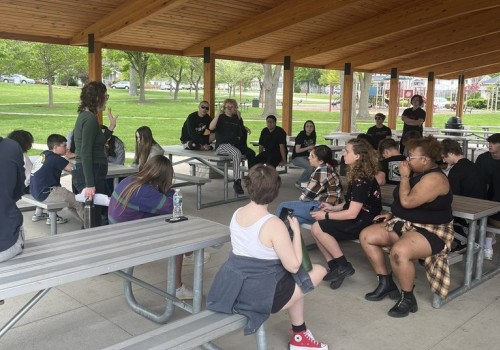
School fundraisers are often powered by community kitchens, cafeterias, and borrowed spaces where appliances quietly carry a heavy load. From pancake breakfasts and spaghetti dinners to bake sales and volunteer-run cafés, these events rely on dishwashers, ovens, refrigerators, and warming units to function smoothly. When everything works, the focus stays on students, donations, and togetherness. When an appliance fails mid-event, however, the disruption ripples far beyond a simple inconvenience, creating hidden costs that most organizers never anticipate when planning a fundraiser.
The Time Cost No One Budgets For
Appliance failures during fundraisers immediately consume volunteer time. Parents, teachers, and students who planned to serve food, manage donations, or engage guests suddenly find themselves troubleshooting leaks, washing dishes by hand, or improvising workflows. This lost time directly reduces fundraising efficiency. Lines slow down, service becomes inconsistent, and fewer meals are sold in the same window. Because fundraisers often run on tight schedules tied to school events or facility availability, time lost to appliance issues cannot be recovered, quietly shrinking total proceeds.
Food Waste and Supply Loss
Another hidden cost comes in the form of wasted food and supplies. A dishwasher breakdown can force volunteers to discard reusable serving items due to sanitation concerns, pushing them to use disposable alternatives at the last minute. Refrigeration failures may require throwing out perishable ingredients entirely, especially when health and safety rules are involved. Even small losses add up when margins are already thin. Money raised through donations can end up offsetting wasted supplies rather than supporting school programs, clubs, or trips as intended.
Stress, Safety, and Volunteer Burnout
Appliance failures also increase stress in environments that are meant to be positive and community-focused. Volunteers are often unpaid, juggling responsibilities, and motivated by goodwill. When a key appliance stops working, pressure mounts quickly. Hot water shortages, overflowing sinks, or electrical issues can introduce safety risks, forcing organizers to make difficult calls about continuing or shutting down parts of the event. Over time, repeated experiences like this contribute to volunteer burnout, making it harder to recruit help for future fundraisers.
Emergency Repairs and Unplanned Expenses
When appliances fail during an active fundraiser, organizers are often forced into emergency decisions. Calling for immediate service or temporary solutions costs more than scheduled maintenance or pre-event inspections. In some cases, schools or parent organizations end up paying out-of-pocket for urgent fixes just to finish the event. Services such as dishwasher repair in Carol Stream, IL become critical under these circumstances, but emergency responses almost always come at a premium compared to planned upkeep. These unplanned expenses quietly erode the net success of the fundraiser.
Reputational Impact on Community Events
Fundraisers are not just about money; they are also about community trust and participation. Guests who encounter long waits, limited menu options, or visibly stressed volunteers may be less inclined to return next time. While most people are understanding, repeated logistical issues can weaken enthusiasm and attendance over time. Appliance failures, though rarely discussed afterward, shape these experiences and influence how successful future events will be.
Planning Ahead to Protect Fundraising Goals
The hidden cost of appliance failures highlights the importance of preparation. Simple steps—testing dishwashers, checking water temperature, confirming electrical capacity, and scheduling preventive maintenance—can dramatically reduce risk. Allocating a small portion of planning time and budget toward appliance readiness protects much larger fundraising goals.
Small Systems, Big Impact
Appliances may seem like background details in school fundraisers, but their reliability directly affects outcomes. When they fail, the costs show up in lost time, wasted supplies, stressed volunteers, and reduced donations. Recognizing and addressing this hidden risk allows fundraisers to focus on what truly matters: supporting students and strengthening the school community without unnecessary setbacks.